The difficult part of a forklift maintenance plan is keeping it current. Hours accumulate, shifts change, and a repair recommendation can sit in an email while everyone assumes someone else has handled it.
A useful plan gives each truck a service schedule, makes one person responsible for booking the work, and keeps unfinished items visible. Start with the manufacturer’s instructions for the specific equipment. Then build a routine your team can actually follow.
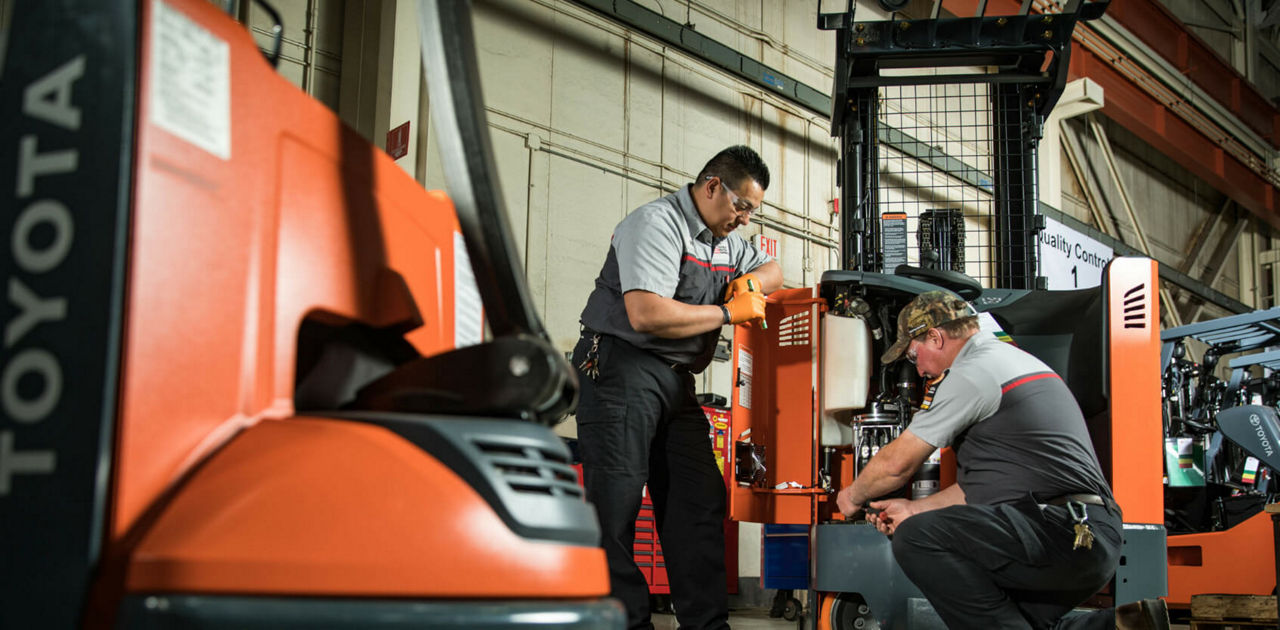
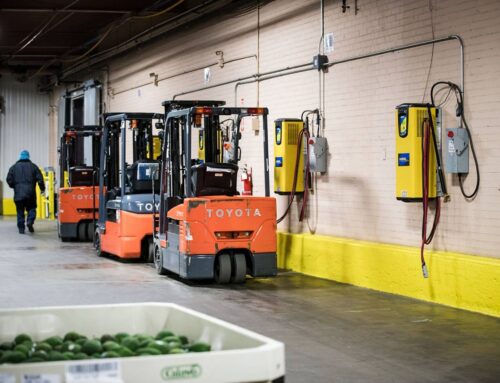
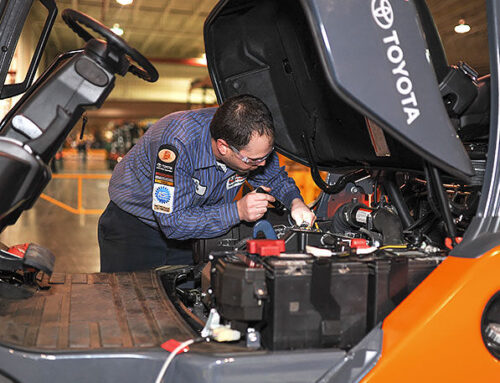
Photo: Toyota Material Handling. Manufacturer service imagery.
Give each truck its own schedule
Two similar forklifts can have very different workloads. Imagine one serving occasional deliveries while another runs across two shifts. Booking both on the same repeating calendar appointment may not reflect when either truck reaches its required service interval.
Keep the make, model, serial number, power source, attachments, and hour-meter readings in one equipment record. Add the applicable maintenance schedule, last service report, and outstanding recommendations. Record the date beside every hour reading so you can see how quickly usage is changing.
Use the manufacturer’s operating-hour and calendar requirements for that truck. Ask your service provider how the conditions at your facility affect the schedule. Dust, moisture, cold storage, and changes in shift patterns are details worth bringing to that conversation. Toyota’s maintenance guidance describes plans tailored to a truck’s needs; a generic interval copied from another fleet is a poor substitute for that review.
If you have a mixed fleet, identify every make in the request. Watts Equipment’s service department supports different makes and uses factory-trained technicians. Having the full equipment list ready helps establish which trucks need attention and what information is missing.
Decide who acts when an operator reports a problem
A maintenance appointment does not replace the inspection before a shift. In California, Title 8, Section 3650 requires drivers to check the vehicle at the beginning of each shift. Unsafe equipment must be reported immediately and kept out of service until it has been made safe.
Make the reporting path clear before a problem occurs. Who receives the report? Who prevents the truck from being used? Who contacts the service provider? Operators should follow the instructions and workplace procedures for their equipment, and repairs should be handled by qualified personnel.
The most useful report describes what happened without guessing at a diagnosis. For example, an operator might report that a warning appeared during startup, identify the truck, and provide the displayed code. That gives a technician more to work with than “the forklift is acting up.” Record the observation; do not recreate a potentially unsafe condition just to collect more information.
Book the work before it becomes overdue
Assign one person to monitor upcoming service, with a backup for absences. That person needs access to both the equipment records and the operating schedule.
A simple record should answer five questions for each truck:
- What is the current hour-meter reading, and when was it recorded?
- What service is due next under the applicable schedule?
- Has the appointment been confirmed?
- Who will make the truck available?
- What work remains unresolved from the previous visit?
Check usage frequently enough to arrange service before the next required limit. Revisit the plan when a truck moves to a second shift, takes over another truck’s work, or changes applications. An appointment that was sensible a month ago may no longer fit.
Give the technician a useful starting point
Watts’ service request asks for the equipment model, serial number, and city. Before you call or submit the form, gather those details along with the latest hours, the reported concern, and the relevant service history.
Be precise about the truck’s status: is it available for planned maintenance, or has it been taken out of service? Include the name of someone who can answer questions and provide access. Discuss the work location and expected interruption when arranging the visit.
If a repair could leave you short of equipment, ask about Watts forklift rentals before making promises to your shipping or production team. Confirm that a suitable replacement is available and that its delivery and operating requirements fit the job.
Close the loop after the service visit
Keep the technician’s findings with the truck’s record, not just with the invoice. Separate completed work from recommendations that need approval, parts, or another appointment.
A useful follow-up note identifies the action, the person responsible, and the next step. “Recommendation received” is not a completed task. “Manager reviewing the repair quote; decision due Thursday” makes the unfinished work visible. These are administrative examples, not permission to keep operating equipment with a safety concern.
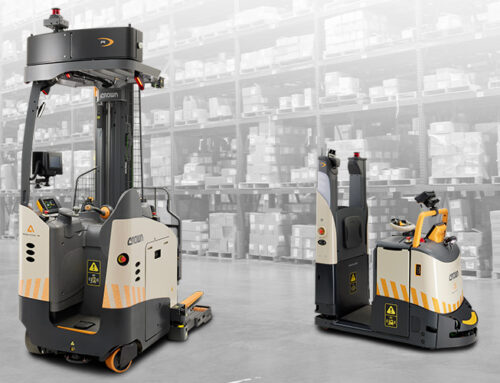
For parts inquiries, retain the model and serial number with the request. Watts’ parts department provides a request form using those identifiers, alongside Toyota and Crown parts information.
Look for repeat reports when you review the record. If the same concern appears again, bring that history to the service provider rather than treating each report as an unrelated event.
Know what your maintenance agreement covers
Ask for an itemized work scope before comparing prices. Two quotes labeled planned maintenance may cover different inspections and service tasks. Confirm which tasks are included and how repairs, parts, travel, and consumables are handled. Confirm who monitors service due dates, how recommendations reach you, and how urgent problems should be reported. Ask to see the service checklist and an example of the completion report. Put those answers alongside the equipment schedule so your team knows what to expect.
To discuss your fleet with Watts Equipment in Manteca, call 209-825-1700 or use the service request linked above. Have your equipment list and latest service reports ready. Those are the materials that turn “we need a maintenance plan” into a conversation about the actual work due.