An electric forklift uses a battery and needs a charging plan. A propane forklift uses an engine and needs a fuel supply and refueling plan. The better choice depends on your loads, work hours, site and costs. Compare complete setups for the same job before choosing either power source.
For a warehouse with regular downtime, electric charging may fit neatly around the workday. If trucks run through several shifts, look closely at when they can stop and how they will get more energy. Propane refueling and electric charging solve that problem in different ways.
Start with the busiest part of the day
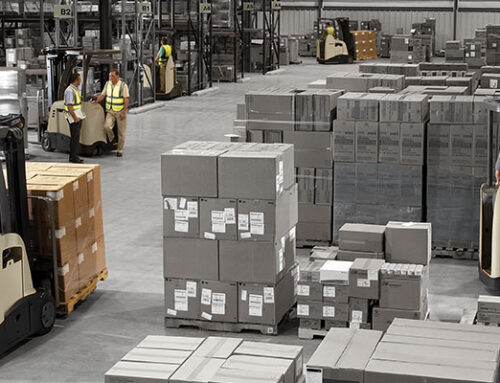
Write down when the truck works, when it waits and when it can be taken out of service. Include peak season. A truck used now and then to unload deliveries has a different job from one moving pallets for most of a shift.
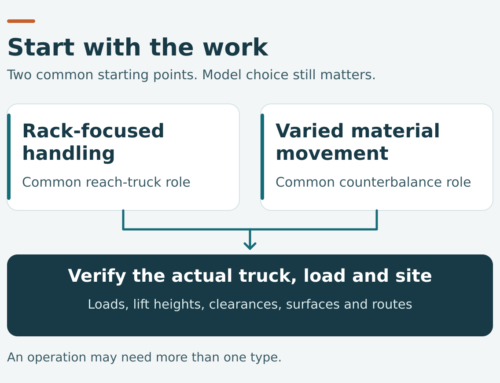
Record the loads, lift heights, travel distances and indoor or outdoor routes too. Power choice does not tell you whether a particular truck can handle your load or fit your space. Have each proposed model checked against those requirements.
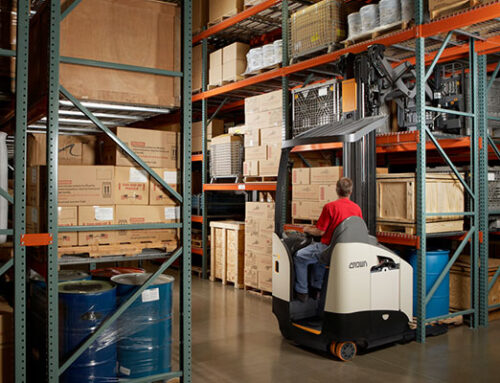
Crown’s power-management guidance recommends studying how trucks use and replace energy. That is a useful next step when you cannot tell whether the breaks in your schedule will support charging.

Electric needs a truck and charging plan that work together
An electric quote should identify the battery, compatible charger and charging method. “Electric forklift” alone leaves too much unanswered.
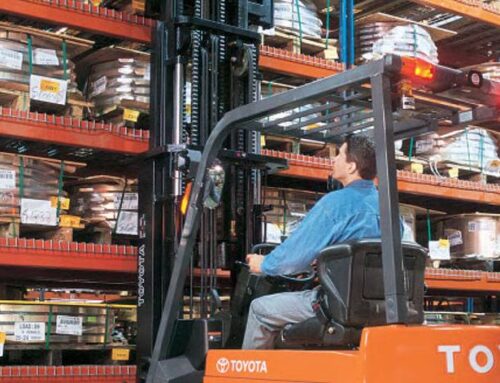
Toyota’s charging-method guide describes several approaches. Conventional charging can fit a single-shift operation with enough downtime. Opportunity charging uses available breaks, while some demanding operations may need battery changes. The right approach depends on the battery and workload.
Ask the supplier to show how the proposed setup covers your busiest day. Have the supplier identify charging times, parking space and a backup plan for missed breaks. Tie each answer to your schedule.
Check the building as well. Charger locations, electrical capacity and installation work belong in the plan. Crown’s energy-strategy guidance notes that charging choices affect infrastructure needs and that peak electricity demand matters. Have qualified providers confirm the site work and costs before you order.
Propane needs a reliable refueling plan
A propane truck can return to work after a cylinder change without waiting for a battery to charge. Toyota describes this as a short refueling stop in its forklift fuel comparison. The actual interruption also depends on where fuel is kept and who is available to handle it.
Include fuel delivery or exchange arrangements, storage, trained staff and refueling time in your comparison. Ask how the plan will cover a busy shift or a delayed delivery. Do not count a truck as continuously available simply because its fuel can be replaced.
Indoor air and outdoor routes need separate checks
Battery-electric forklifts produce no tailpipe exhaust during use. Propane engines do produce exhaust, so indoor use needs a site-specific assessment of ventilation and exposure controls. OSHA’s enclosed-area guidance warns about indoor exhaust from engine-powered trucks. An open door alone is not a suitability assessment.
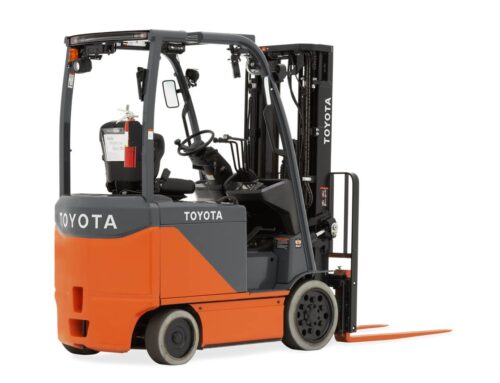
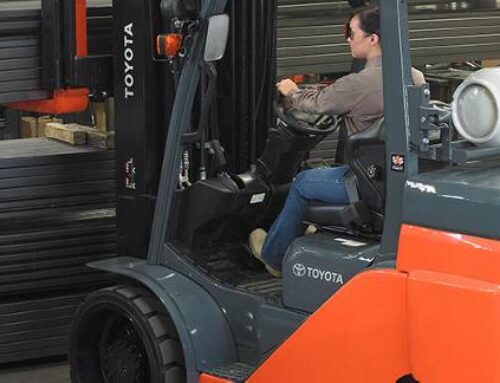
Outdoor work does not automatically rule out electric. Toyota offers electric pneumatic forklifts for indoor and outdoor applications. Suitability still depends on the model and conditions.
Describe wet areas, slopes, uneven surfaces and any weather exposure to your equipment specialist. Check the proposed truck’s tires and operating limits. Use the same route description for both quotes so an outdoor label does not replace a proper equipment check.
Compare the full cost over the same period
The purchase price is only one part of the decision. Use the same expected work hours and ownership period for both options. Ask for these costs to be listed separately:
- Truck and required attachments.
- Battery and charger for electric, or the propane fuel setup.
- Installation and any required site changes.
- Electricity or propane, using your rates and expected use.
- Planned service, repairs and expected replacement items.
- Time out of service, backup equipment and any battery-handling needs.
For electric, ask whether the estimate includes charging losses and any applicable demand charges. For propane, ask whether fuel delivery, exchange or tank charges are included. Have the supplier label estimates and explain the assumptions.
Run a second comparison using a busier workday or higher energy costs. If a small change reverses the result, the decision needs better usage data. Neither a fixed savings percentage nor a generic “cost per hour” can settle the choice for every site.
Two schedules worth comparing
A warehouse with one shift and a long overnight break has a clear window to evaluate for charging. The next step is to confirm that the proposed battery can support the work and that charging fits the available time.
A site with back-to-back shifts and few pauses needs a more detailed plan. Compare a suitable electric charging or battery-change arrangement with the propane refueling arrangement. Include the space, staffing and downtime each would need. These are planning examples, not promises about runtime.
California buyers should check current requirements
California’s zero-emission forklift requirements need a separate check before purchase. As of October 15, 2026, CARB’s current program guidance says state and local government fleets with Class IV or Class V large-spark ignition forklifts are subject to the ZEF regulation. CARB says it will not enforce the ZEF regulation against privately owned or operated fleets until the U.S. EPA grants authorization or determines that authorization is unnecessary. This enforcement position is specific to ZEF; it does not establish that a truck meets every other applicable requirement. Confirm the current requirements for your fleet and equipment with CARB or a qualified adviser before ordering. Do not base a purchase on a blanket claim that propane forklifts are banned.
Bring one job description to the quote discussion
Gather your load details, routes, shift schedule, fuel use and energy bills. Add any plans to expand shifts or move buildings. Ask for a complete equipment and power proposal with the assumptions written down.
Explore Toyota and Crown forklift options at WATTS, then contact WATTS to discuss your job and site. A useful comparison shows how each proposed setup would keep your work moving and what it would cost to support it.