A used forklift listing usually gives you a few easy things to compare: the asking price, year, hours, and a photograph. The harder questions matter just as much. Will it handle your load in your building? What condition is it in? What work has been done, and what will you need to buy after it arrives?
Treat the listing as a starting point. A useful comparison connects each truck’s identity and condition to the job you need it to do.
First, rule out the wrong machine
Before paying for an inspection or arranging transport, share your load weight and dimensions, required lift height, attachments, and route. Include the lowest doorway, outdoor surfaces, and any trailer or dock work.
Ask the seller for the truck’s identification and capacity-plate information, along with the mast and attachment details. Toyota explains that capacity depends on the truck’s configuration and load, including attachment effects. A headline capacity in an advertisement is not enough to confirm your application.
Make sure the truck being evaluated is the one being offered. If an attachment, battery, or other component will change before delivery, have the completed configuration reviewed. A good condition report cannot compensate for unsuitable equipment.
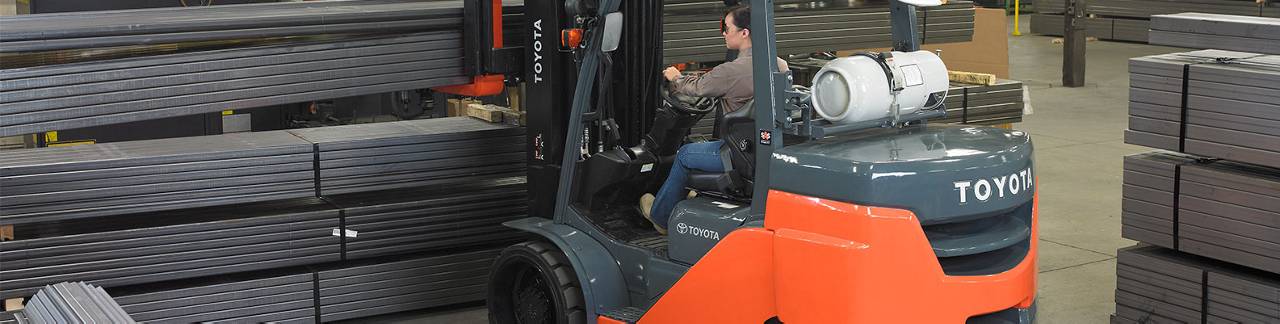
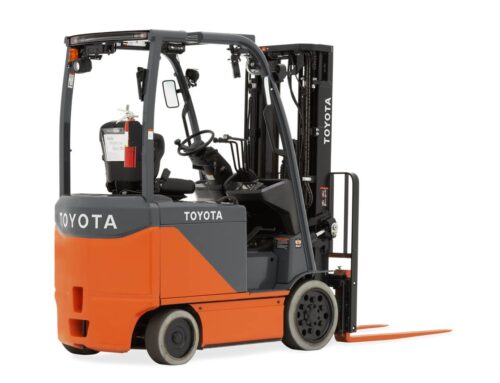
Toyota manufacturer equipment photograph used for illustration. This is not a verified used unit for sale or a Watts inventory photograph.
Ask what the records explain
Request available maintenance records, recent repair information, and the seller’s inspection findings. Look for a clear connection between the paperwork and the machine’s identifying information.
Useful questions include:
- What maintenance and repairs are documented?
- What work was completed before sale, and by whom?
- What issues remain open or have been excluded from the sale preparation?
- What is known about previous use and operating conditions?
- What evidence supports the stated hours and equipment history?
Missing records do not tell you exactly what is wrong with a truck. They do leave uncertainty that a low asking price does not resolve. Note those gaps and ask the evaluating technician what can be established through inspection and testing.
Separate appearance from assessed condition
Fresh paint can make equipment easier to sell, but it does not describe the condition of the lifting system, brakes, tires, steering, or power equipment. Arrange an evaluation by a qualified person with the appropriate equipment and procedures.
Ask for findings you can use: what was inspected, what was tested, what needs attention, and what was outside the inspection’s scope. If a demonstration is offered, agree on how it will represent the intended application within the equipment’s operating limits. A brief empty-fork drive does not answer every question about the work ahead.
Toyota’s used-forklift information describes services that may include inspections, battery and tire assessments, performance testing, and service-history review. It also notes that offerings vary by dealer and equipment. Ask what is included for the particular unit rather than assuming every used truck receives the same preparation.
Give an electric truck’s battery its own review
For an electric forklift, identify the battery and charger included in the sale. Request the available battery assessment and ask how its findings relate to your expected work schedule. Include the busiest days, charging windows, and periods of infrequent use.
“Battery included” is not a condition report. Neither is a statement that the truck currently moves. Ask what evidence is available, what remains uncertain, and what replacement or site-preparation costs you should understand before committing.
Confirm the proposed battery and charger are appropriate for the truck and each other. Toyota’s electric forklift FAQ makes clear that conversions depend on equipment specifications and recommends manufacturer-approved charging equipment. Do not solve a price concern by substituting a battery without the necessary approval.
Put the whole sale on one sheet
Compare complete offers, including:
| Item | What to record |
|---|---|
| Truck | Model, serial number, configuration, and agreed equipment |
| Condition | Inspection findings, included repairs, and unresolved items |
| Electric package | Battery, charger, assessment, and site requirements |
| Support | Written warranty terms, exclusions, and service arrangements |
| Delivery | Transport, timing, and any preparation required at your site |
| Total commitment | Purchase price plus quoted immediate work and equipment |
Ask for warranty terms in writing if a warranty is offered. Clarify who handles an issue, which components are covered, and any conditions or exclusions. Do not assume a manufacturer’s new-equipment coverage applies to a used purchase.
Make the decision about this truck
A reputation for a durable model is useful background. It cannot tell you how an individual truck was used or maintained. Two similar listings may carry very different levels of uncertainty once the records and inspection results are compared.
Watts Equipment offers new and used Toyota and Crown equipment. Bring the team your job requirements and questions about the specific unit, and discuss service support before purchase. Contact Watts for current options and the preparation and coverage included with the equipment being proposed.