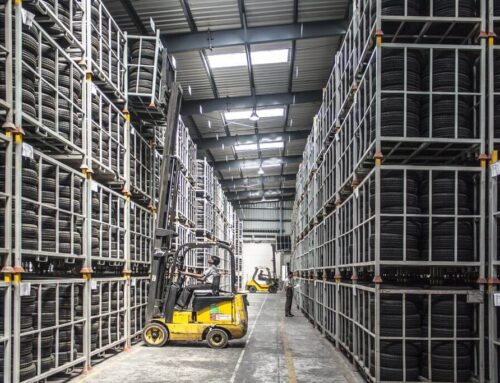
Forklift trucks are frequently referred to as the “heart” of a manufacturing operation. It is critical to ensure that your forklift truck is operating safely and efficiently at all times.
You should perform forklift inspections regularly to ensure that your forklift truck operates safely. You will have less downtime, a longer life span, and improved operator safety due to this.
What Must Be Done Everyday Before Using A Forklift?
Forklift trucks must be maintained and inspected regularly to ensure worker safety and efficiency. Forklift trucks are susceptible to failure both in the short and long term. That is why it is critical to conduct daily inspections and carry out regular maintenance.
Thorough forklift inspections not only ensure worker safety on the job but also help to keep your fleet of forklift trucks in peak operating condition for longer periods by identifying and addressing any problems before they become serious. This article will go over the things you should do daily to keep your forklift safe and in good working order.
Point-to-Point Forklift Truck Inspection Checklist
Before entering the forklift, you must perform a series of checks to ensure there are no problems or faults. A forklift inspection checklist will assist you in inspecting your reach truck daily to ensure forklift safety and health.
Before using their lifting equipment, operators must perform two checks: a visual inspection and an operational inspection. No matter how frequently the equipment is used or performs well, it is still necessary to conduct routine checks on it. Your workplace will be safer, and you will save money by using a daily inspection checklist.
Check Forklift Fluids And Fuel Levels
Before checking your fluids, ensure that the forklift is level. You should check your oil, coolant, hydraulics, water, and fluid levels. Also, make sure there are no leaks underneath the forklift. You will need to monitor the fuel and oil levels if you use a forklift truck, such as a long counterbalance that uses fuel instead of an electric one. Make sure you keep your engine topped up to ensure its longevity.
Ensure Lights Are Working
The rear and headlights illuminate paths and alert others when you are moving. Make sure you inspect all light bulbs to ensure they are working correctly. Before you set off, make sure to replace any light bulbs that have gone out.
Try the Horns
It is crucial to test your forklift truck’s horn before it is used to alert others of your presence. To ensure that your forklift truck’s horn works properly, you should try it before operating it. Functional horns can help reduce workplace accidents.
Inspect The Wheels
Before you take the wheel, make sure to inspect them. To avoid an accident, make sure that your wheels are properly inflated or flat. Make sure the tires are correctly inflated and have the pressure checked. You should check forklift wheels for excessive wear. Make sure there are no cuts or gouges.
Do Controls Check
After you have started your forklift, make sure to check the dash control panel. Make sure there are no unusual sounds. To operate a forklift safely, the steering wheel must be accurate. Before leaving, ensure that the steering wheel can move smoothly and that the alignment is correct. 
Examine The Forks
It is essential to inspect the forklift truck before using it. Make sure the forks don’t have any cracks or bends. You will need to repair any damage or bends to the forks before using the forklift truck. You must ensure that the locking pins are correctly installed.
Perform A Brake Check
A forklift truck’s brakes can stop an accident in its tracks, but only if they work well. Make sure the pedal is in good condition. To ensure that you can apply the brakes quickly to your forklift truck, pump them. Also, check the parking brake. You should also check that the dead man’s seat brake works when you get up from your chair.
Adjust The Seat Position and Mirrors
Constantly adjust the seat and mirrors on a forklift truck to fit the driver’s driving position. Before starting the forklift truck, adjust its position and mirrors to ensure that you have easy access to all controls and can see all directions.
Check Your Workwear
Suitably, forklift truck workwear includes everything from wearing high-visibility clothing to ensuring no baggy material is exposed. You should also wear protective gear such as hard hats and sturdy footwear, so inspect your equipment thoroughly and ensure it’s in good shape.
Note Capacity Limits
Every forklift truck will have a capacity limit. It limits the maximum weight the forklift can lift. Please make sure you are familiar with your forklift truck’s limit and that your loads don’t exceed it.
Perform Battery Check
Make sure the battery is fully charged. To avoid any accidents, make sure there is no damage to wires or loose connections.
Test Tilt and Lift Mechanism
You can check if the tilt mechanism works smoothly by tilting your mast. You can check that the lift mechanism functions by raising or lowering the forks’ maximum height. Verify attachments like cables and chains.
Conclusion
If forklifts are not handled properly, they can be extremely dangerous and heavy-duty equipment. You must understand how to inspect your truck before using it for the first time or making any subsequent repairs.
You should carry out a daily pre-operational inspection to ensure forklift safety. Your top priority should always be the safety of your employees and other members of your team. Before beginning a shift, it is necessary to inspect the forklift and the warehouse floor. Forklifts should be safe to operate if they are appropriately maintained and operated correctly.
The operator must ensure that they have the skills and knowledge necessary to perform an operational check before proceeding. If you want to avoid malfunctions in your forklift, seek assistance from the most reliable brand available today. Watts Equipment Co., Inc. is here for you. Contact us now to learn more about making the most of your forklift experience.