The cheapest part is easy to spot on a quote. The best choice takes more information: confirmed fit, a known source, clear warranty terms, and an understanding of what happens if the repair has to be done again.
Start by establishing which options are appropriate for the truck and the component. Then compare their total installed cost and support. A brand label alone does not answer every question, and a visually similar part is not proof of equivalence.
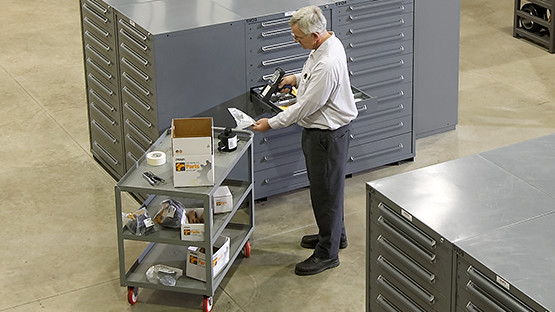
Photo: Crown Equipment. Manufacturer parts-support imagery.
Get specific about what is being offered
Genuine parts are sold under the forklift manufacturer’s brand or designated genuine-parts program. Aftermarket parts are replacement products sold under an independent brand. Those labels describe the sourcing category; they do not mean the forklift manufacturer physically makes every genuine component or that every independent replacement has the same quality.
In a genuine-parts proposal, ask which manufacturer or authorized parts program supplies the component. For an aftermarket option, ask who makes it, how it is identified, and what documented application information supports the match. “Will fit” without an explanation leaves an important question open.
For the OEM option, ask Watts about the Toyota Genuine Parts or Crown Integrity Parts program applicable to your truck. Toyota describes its genuine-parts program through authorized dealers, while Crown publishes information about Integrity Parts. These provide identifiable sourcing paths; they should not be stretched into a claim that every part sold outside those programs is identical or inferior.
Mixed fleets add another distinction. Toyota STARLIFT is an all-makes parts offering. Ask exactly which program and component a quote refers to rather than assuming everything purchased through one counter has the same brand, coverage, or application.
Confirm fit before comparing price
Provide the truck’s complete model and serial number, relevant attachment identification, and the diagnosed component. Ask the supplier to confirm that the proposed part is appropriate for that configuration.
If a number has changed, request the replacement or supersession information. If a kit is proposed, check its contents. One quote may include components another omits, making a simple price comparison misleading.
For safety-related systems or components affecting the truck’s operation, have the qualified service provider verify the proposed replacement and installation requirements. Do not use an attractive price as a reason to bypass the applicable manufacturer instructions.
Compare the repair, not just the item
Build the comparison around the whole job:
| Question | Why it belongs in the comparison |
|---|---|
| Is fit confirmed for this truck? | An unsuitable part cannot solve the repair need |
| What is included? | A component, kit, assembly, or additional hardware may be priced differently |
| When can it arrive? | A low purchase price may still leave the truck unavailable longer |
| What labor is required? | Access, installation, and checks may be significant parts of the job |
| What warranty applies? | Coverage, exclusions, labor, and claim handling need written terms |
| What if it is incorrect or fails? | Return conditions and replacement support affect recovery |
Request comparable quotes with the same installation scope. If one supplier quotes parts only and another includes labor, separate those amounts before drawing a conclusion.
A lower-priced alternative might be appropriate when its fit, specification, and support are established. A more expensive option may be preferable when it provides meaningful support or reduces uncertainty important to the operation. Assess those differences with evidence rather than assuming the outcome from the label.
Ask warranty questions in writing
Find out who handles a claim, how long coverage lasts, what documentation is required, and whether labor or related costs are covered. Ask about the existing truck warranty and the actual proposed replacement rather than making blanket assumptions about what will or will not affect coverage.
Keep the answer with the quote. A verbal “it is covered” is difficult to evaluate when the scope is unclear. The useful answer identifies the specific part, terms, exclusions, and process.
Treat availability as a confirmed detail
Ask whether the part is in stock, awaiting shipment, or subject to an estimated lead time. Confirm delivery to the location where the repair will occur. An advertised listing is not the same as a confirmed arrival date.
If an alternative is suggested to shorten downtime, have the supplier verify suitability before approving it. A rushed substitution can turn one decision into several new uncertainties. Where necessary, discuss temporary equipment separately so the replacement choice is not driven solely by pressure to restart work.
Make a choice you can explain later
Record the confirmed part, source, installed scope, availability, coverage, and reason for selection. Retain that information with the equipment’s service history so future maintenance staff know what was fitted.
To compare options with Watts, contact the parts department at 209-825-1700. If the fault has not been diagnosed, involve forklift service first. A well-supported component choice begins with knowing what the truck actually needs.